"Initium omnis peccati superbia."
Seven deadly sins. Eight European cities. A theologian-killer staging murders as academic lessons. An Interpol detective and an ex-priest journalist racing to stop him before the final lesson is taught.
New here? This is the order. Phase One is The Genesis Series — nine origin novels (the Sonya Trilogy is live now; Mateo and Lucas trilogies forthcoming). Phase Two is Between Heaven and Hell — the eight-book main series. Each phase reads as its own arc; together they tell the full universe.

Before Pride. Before Rome. Before the curriculum. Three lives form on three different continents — a girl in a confessional booth, a seminarian who hears her, and a young academic learning to design what others will only later call evil.

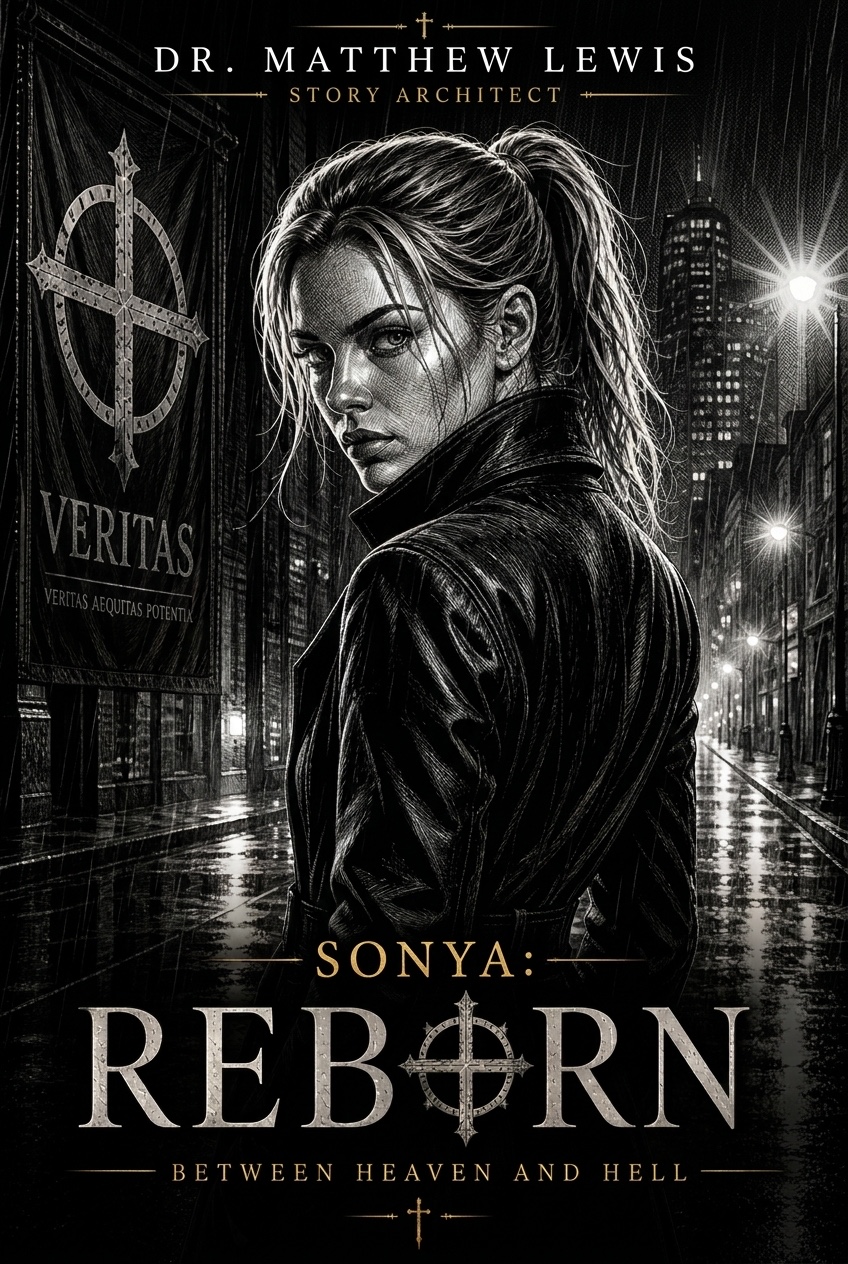
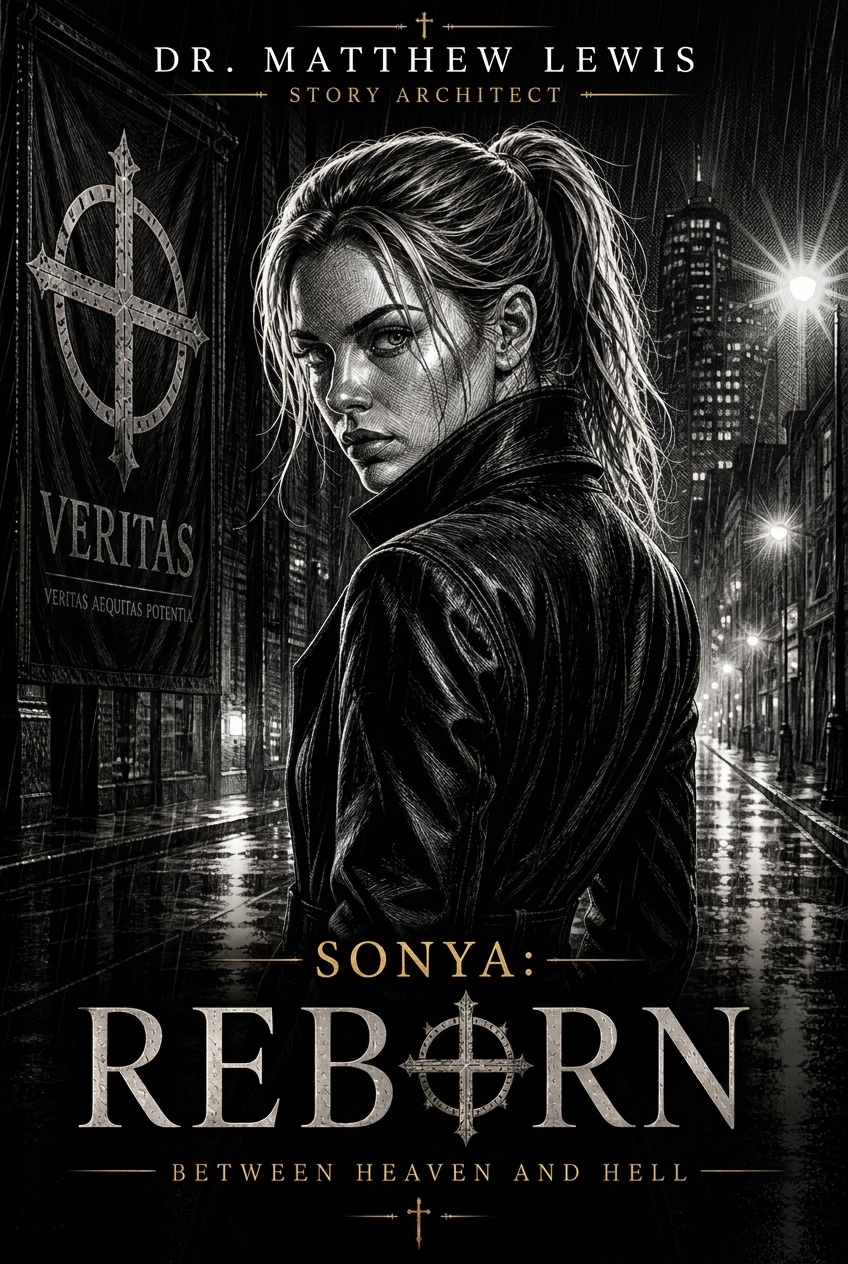
"Innocence isn't weakness. It's a beginning." A girl in a confessional booth tells the truth. The world that hears her changes the shape of her life.
Notify Me
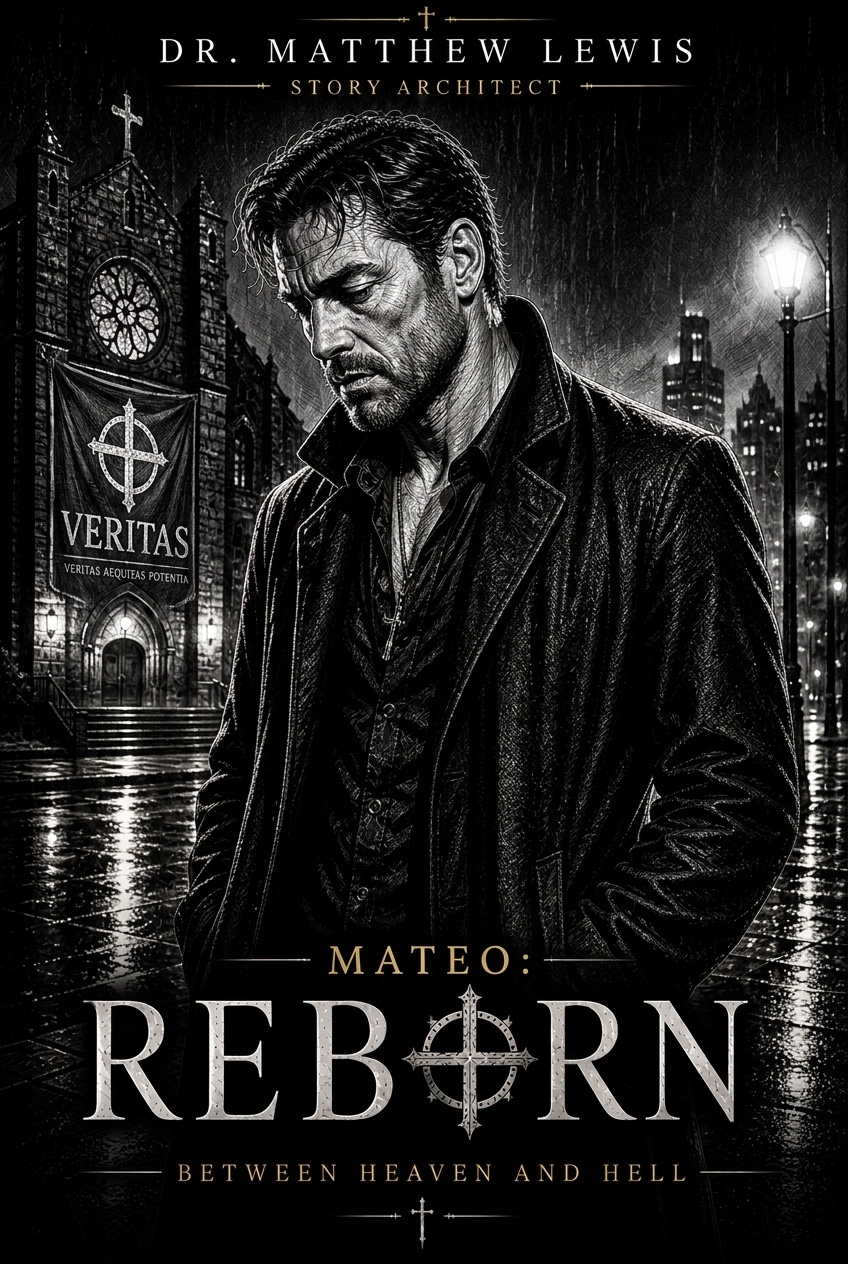
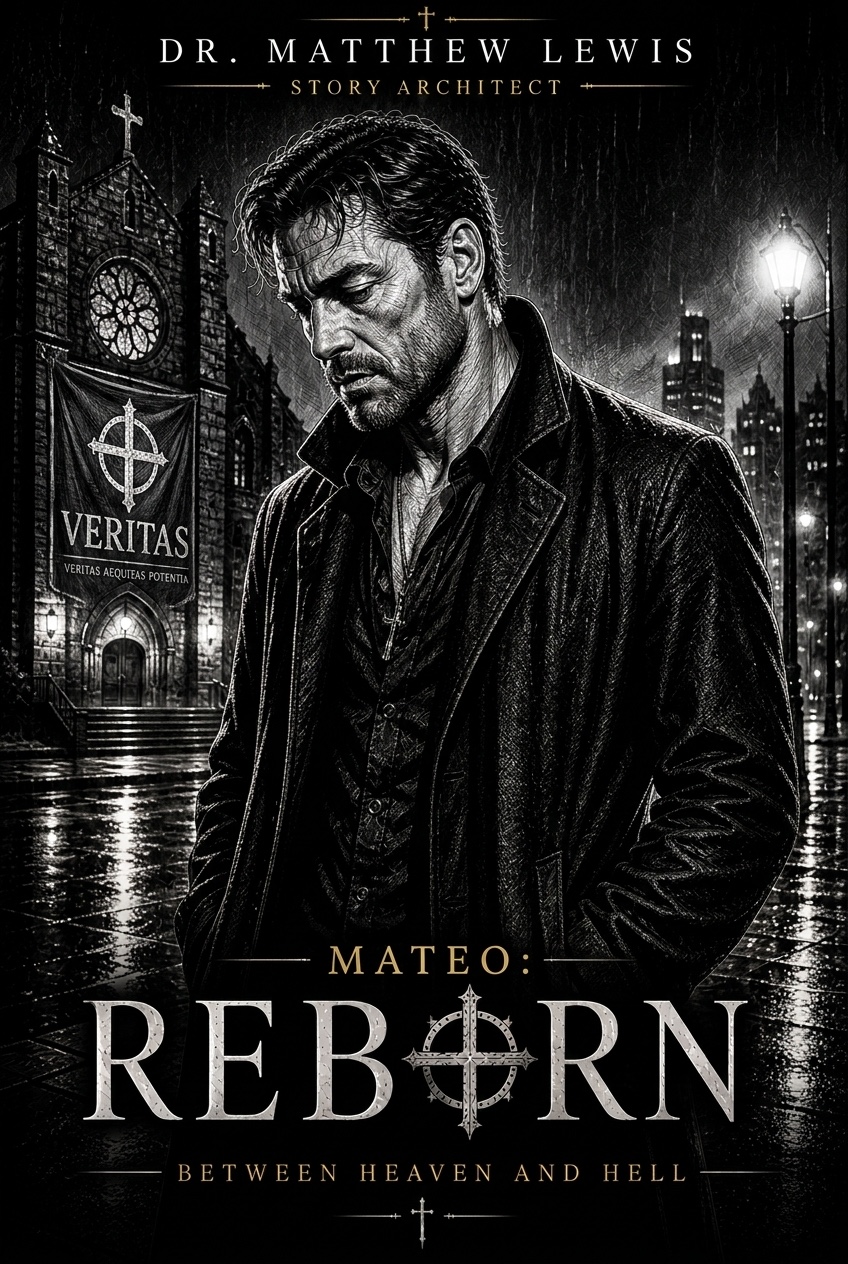
"He heard her confession. He never forgot her voice." A San Antonio kid in a Roman seminary discovers what he believes — and what he can no longer pretend not to know.
Notify Me
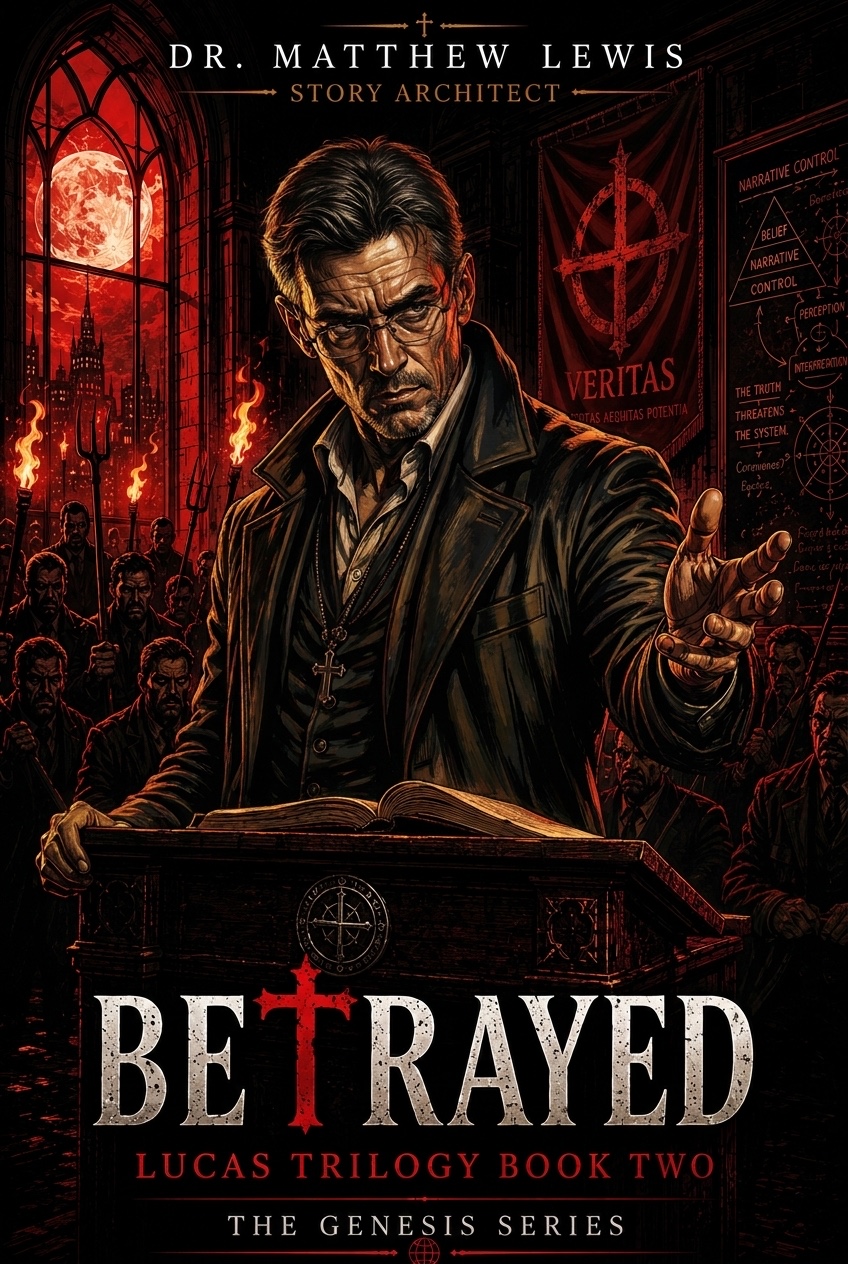
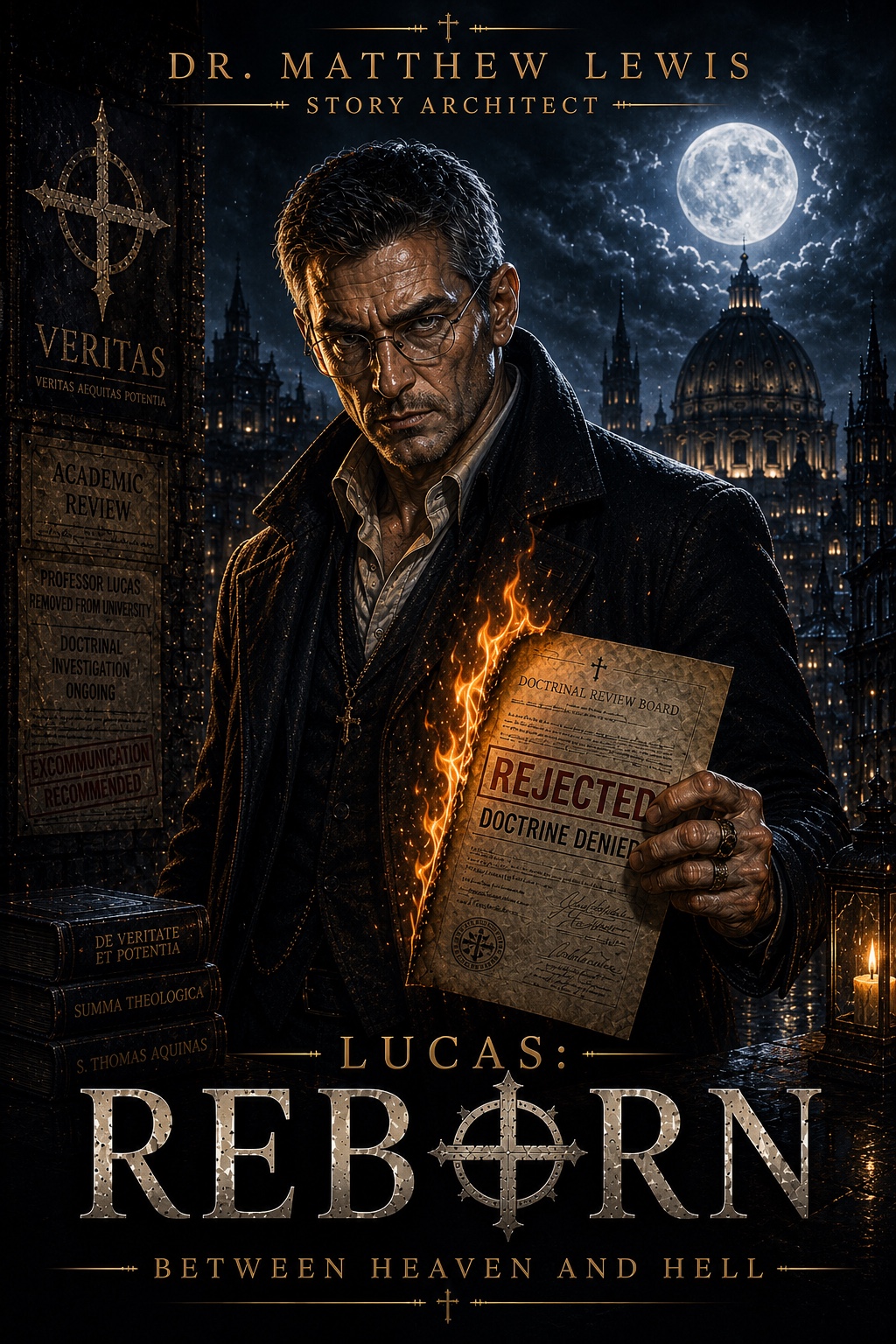
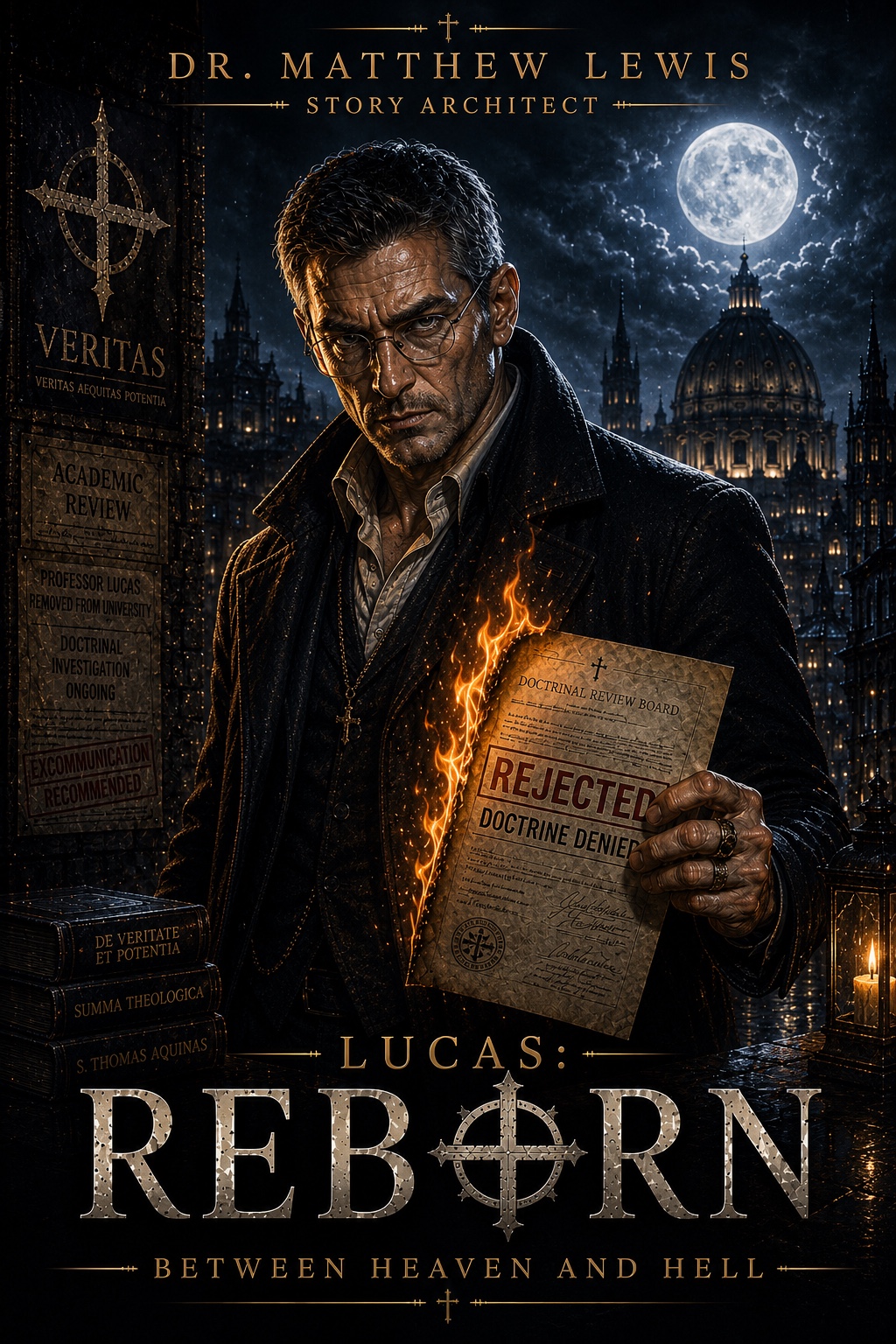
"Truth is not discovered. It is designed." A young academic discovers that the most dangerous philosophy is the one no one is willing to write down.
Notify Me
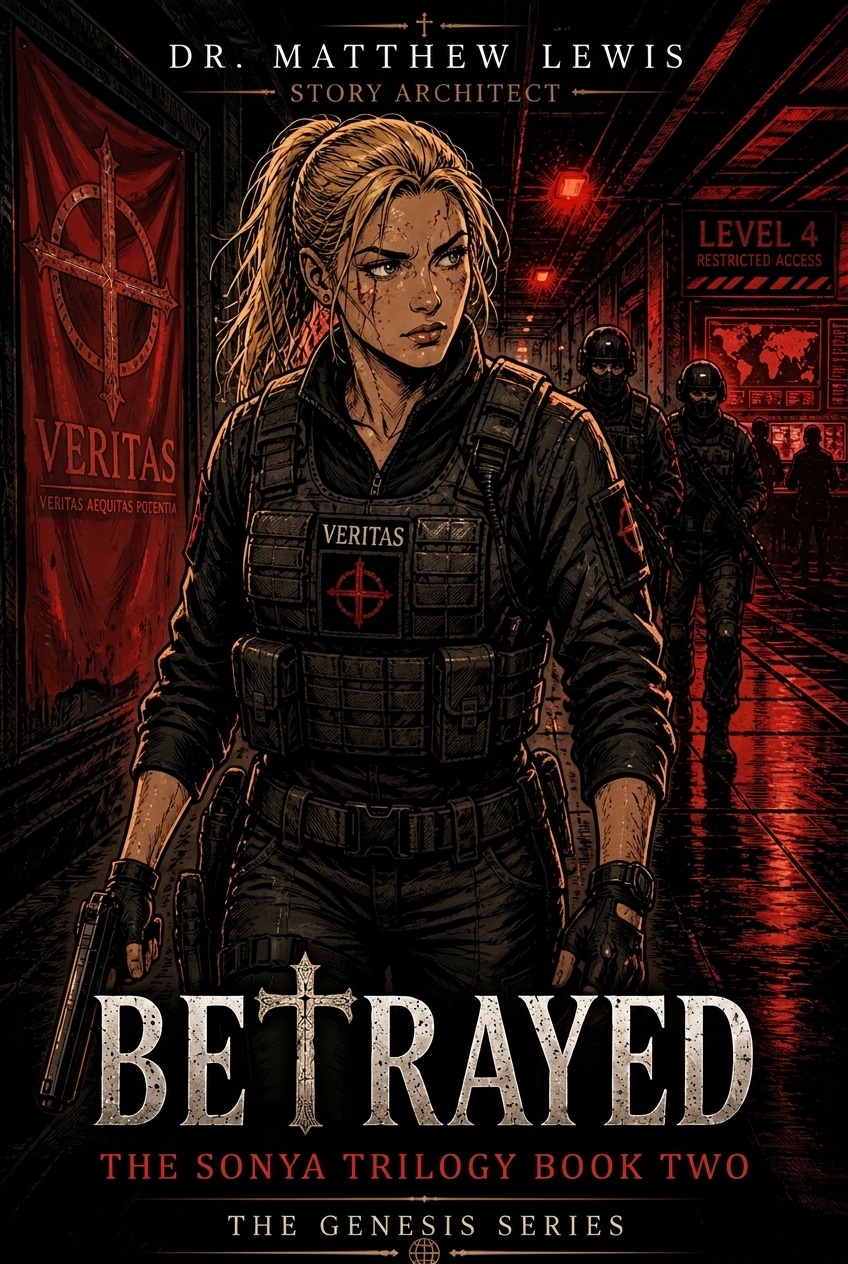
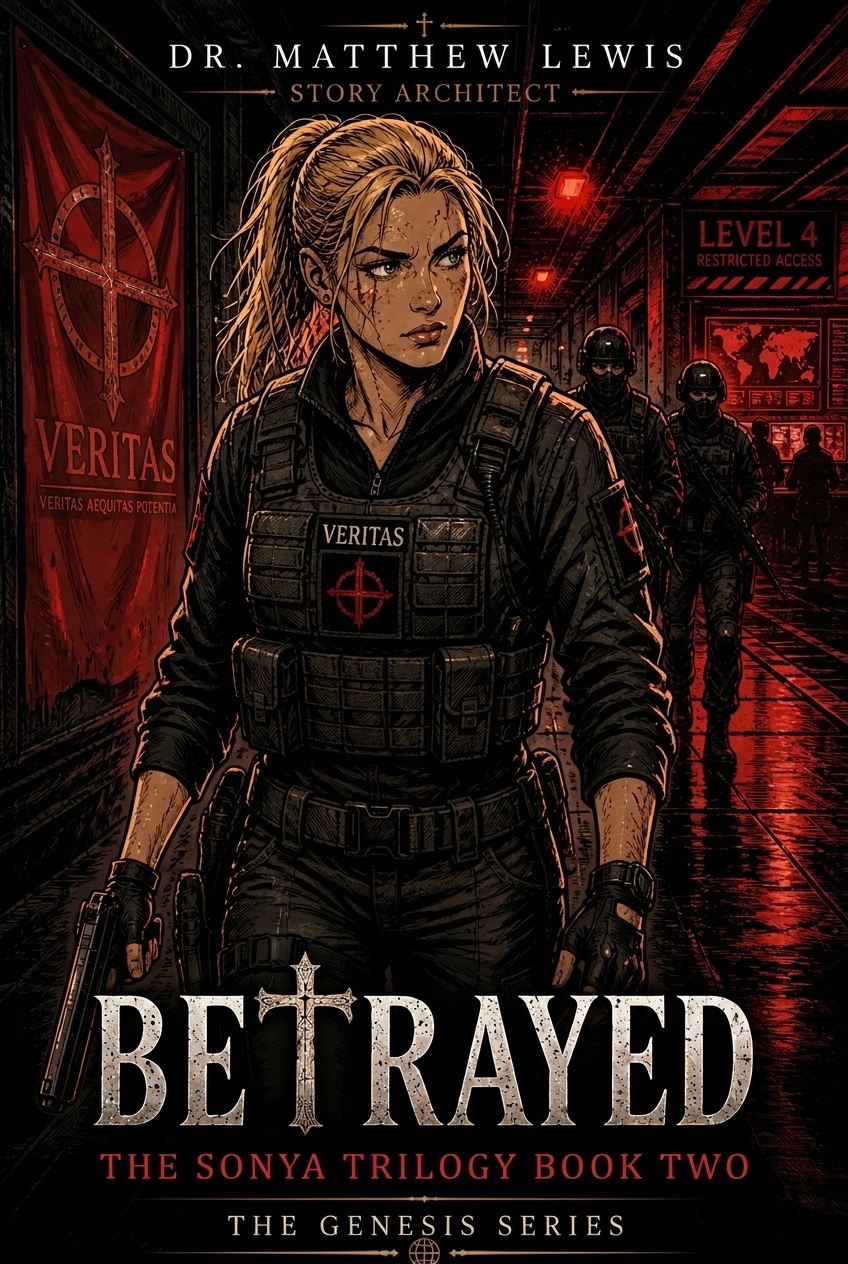
"She trusted the institution. The institution chose him." The recruitment that became a cage. The training that became a weapon. The first time the system asks her to look the other way.
Notify Me
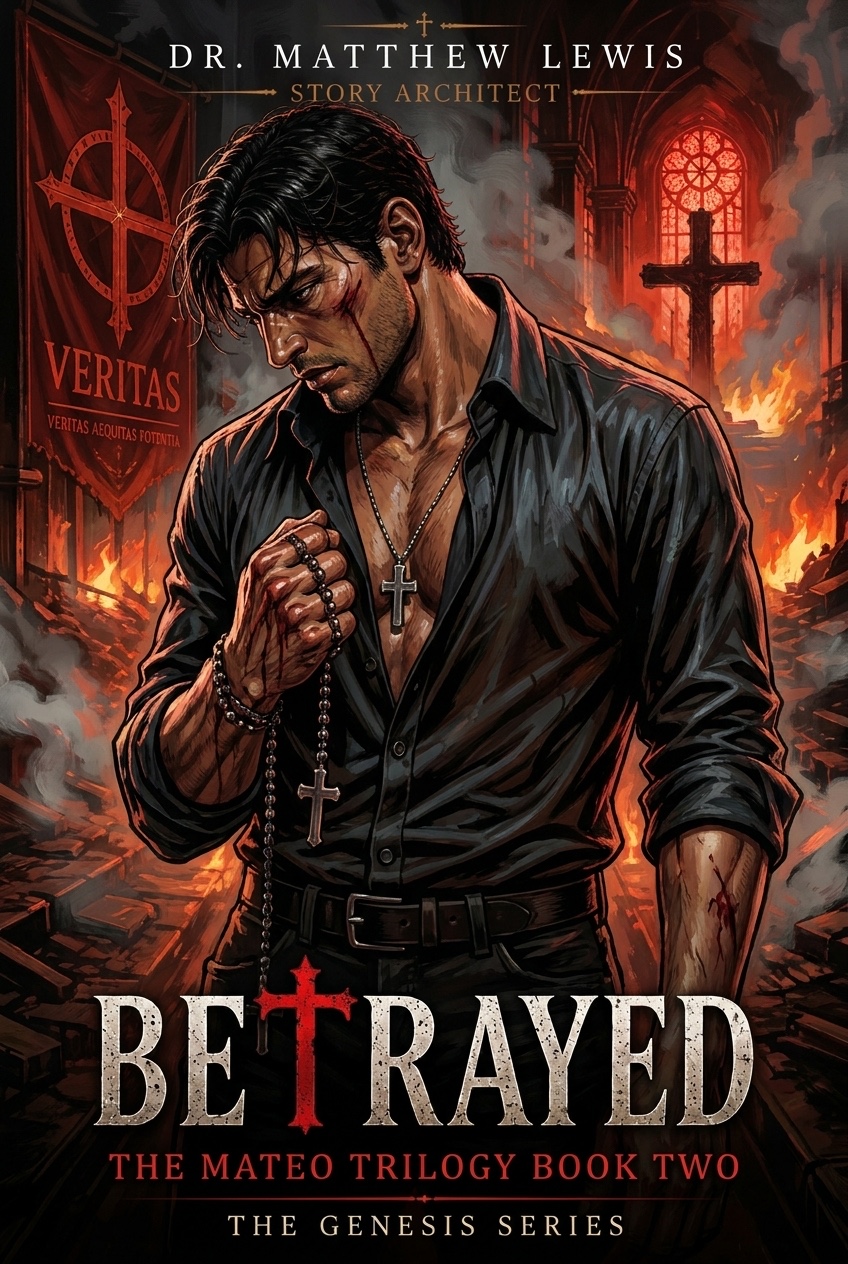
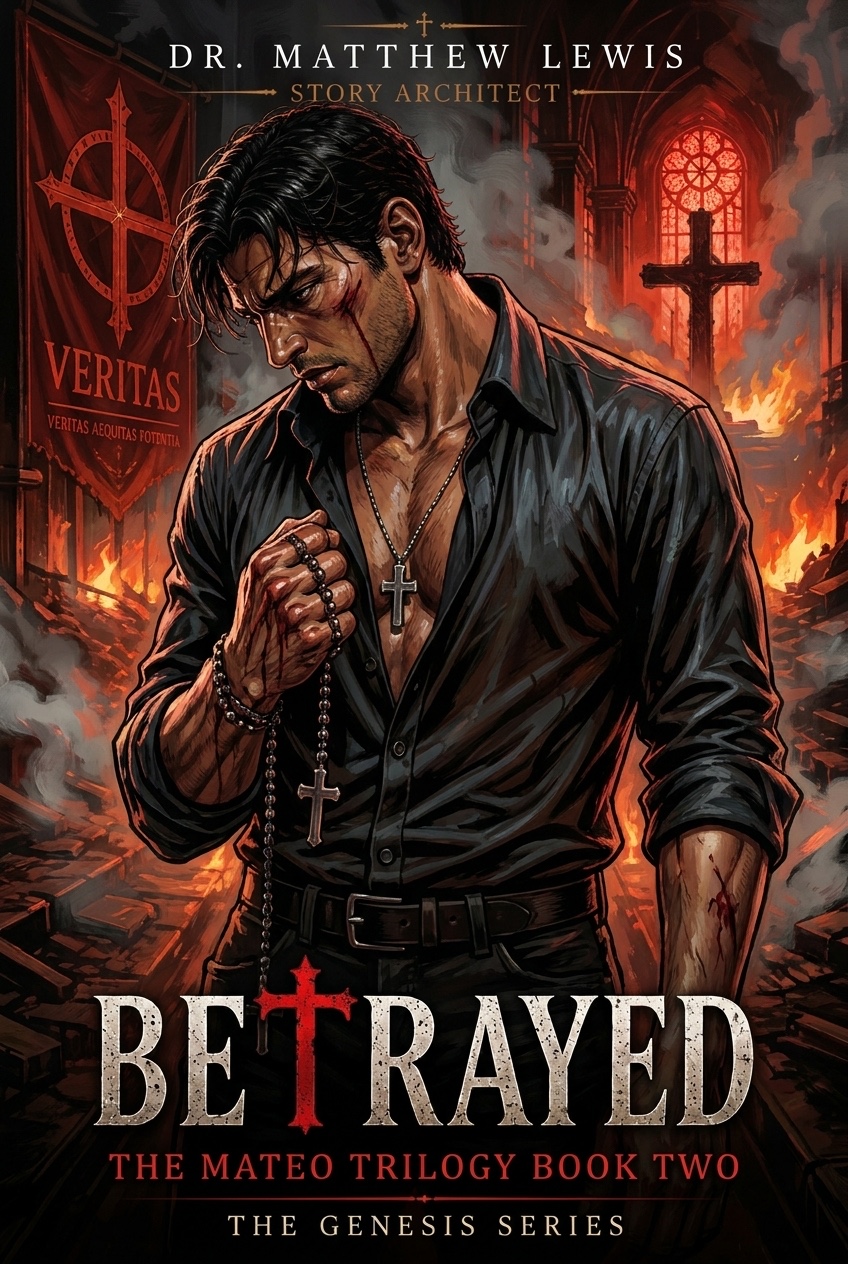
"The collar couldn't hold what he knew." The story he wrote that no one was ready to read. The night he stopped being a priest. The morning he became a witness.
Notify Me
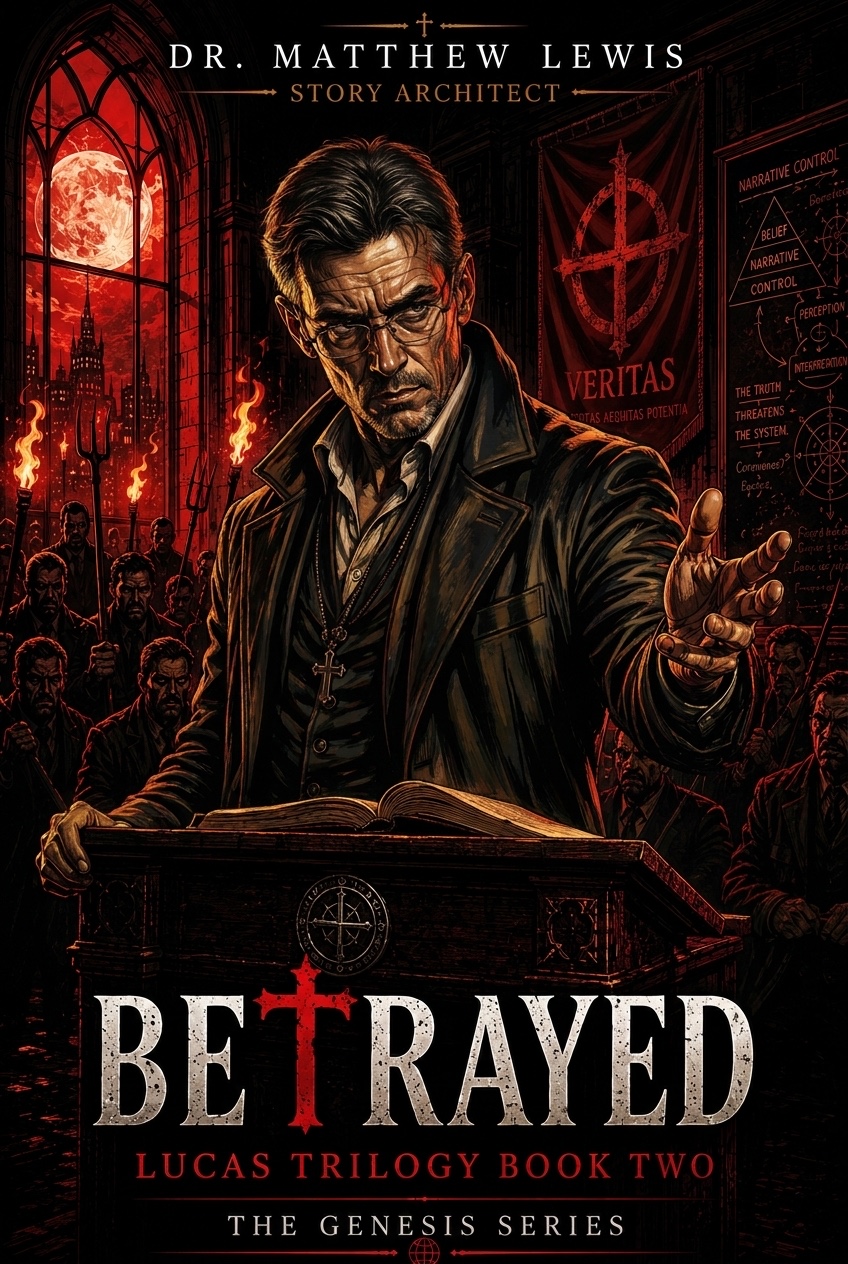
"They were never investigating him. They were his subjects." Lucas learns that the people who think they are studying him are the case file he has been keeping all along.
Notify Me
"She survived everything they sent." What walks out of the operator program is no longer the girl who walked in. The Pride era begins here.
Notify Me
"The answer he never gave. He wrote it down instead." The article that named names. The byline that read Matthew Padilla. The journalist the Professor would eventually choose as his reader.
Notify Me
"The diagnostician. The curriculum. Edinburgh." The final piece of the prequel arc. The moment the Professor became The Professor. The lesson that begins on the first page of Pride.
Notify MeA traveling theologian the world knows as "The Professor" has spent thirty-four years studying sin. Now he's teaching it — one murder at a time. Each victim is chosen for the specific sin they embody. Each crime scene is staged as a theological argument. Each parchment is signed with a Latin word.
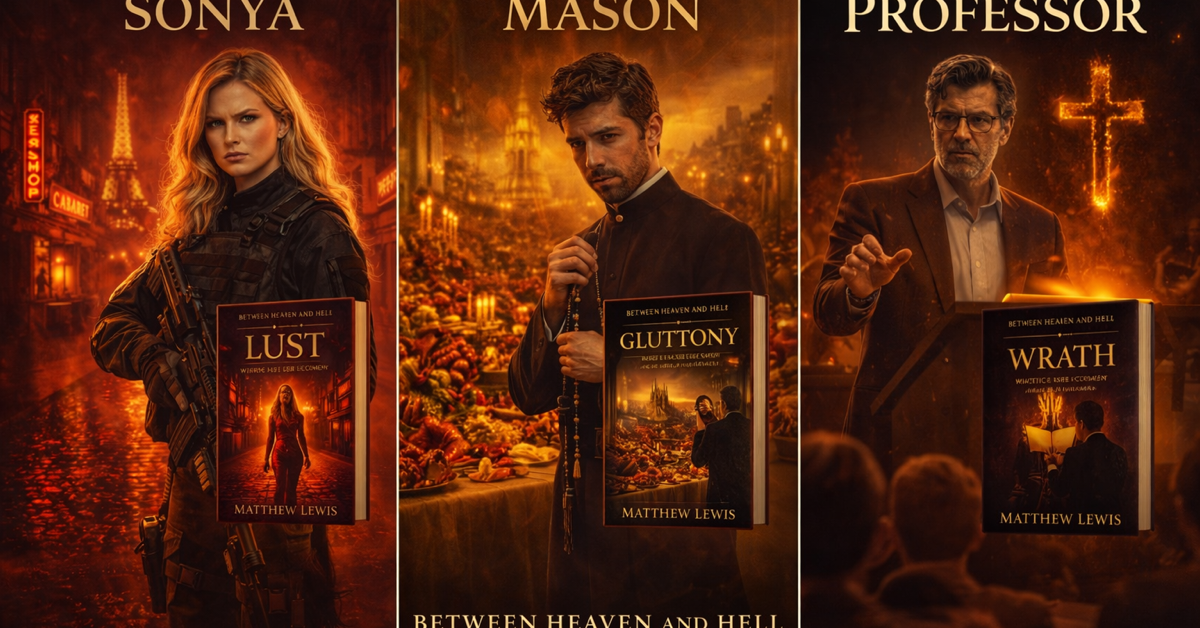
Sonya Logan. Interpol Commissioner. She reads crime scenes the way other people read confessions — completely, and without flinching.
Mateo. Ex-priest turned investigative journalist. He left the Church but the Church never left his theology. The Professor chose him as his reader.
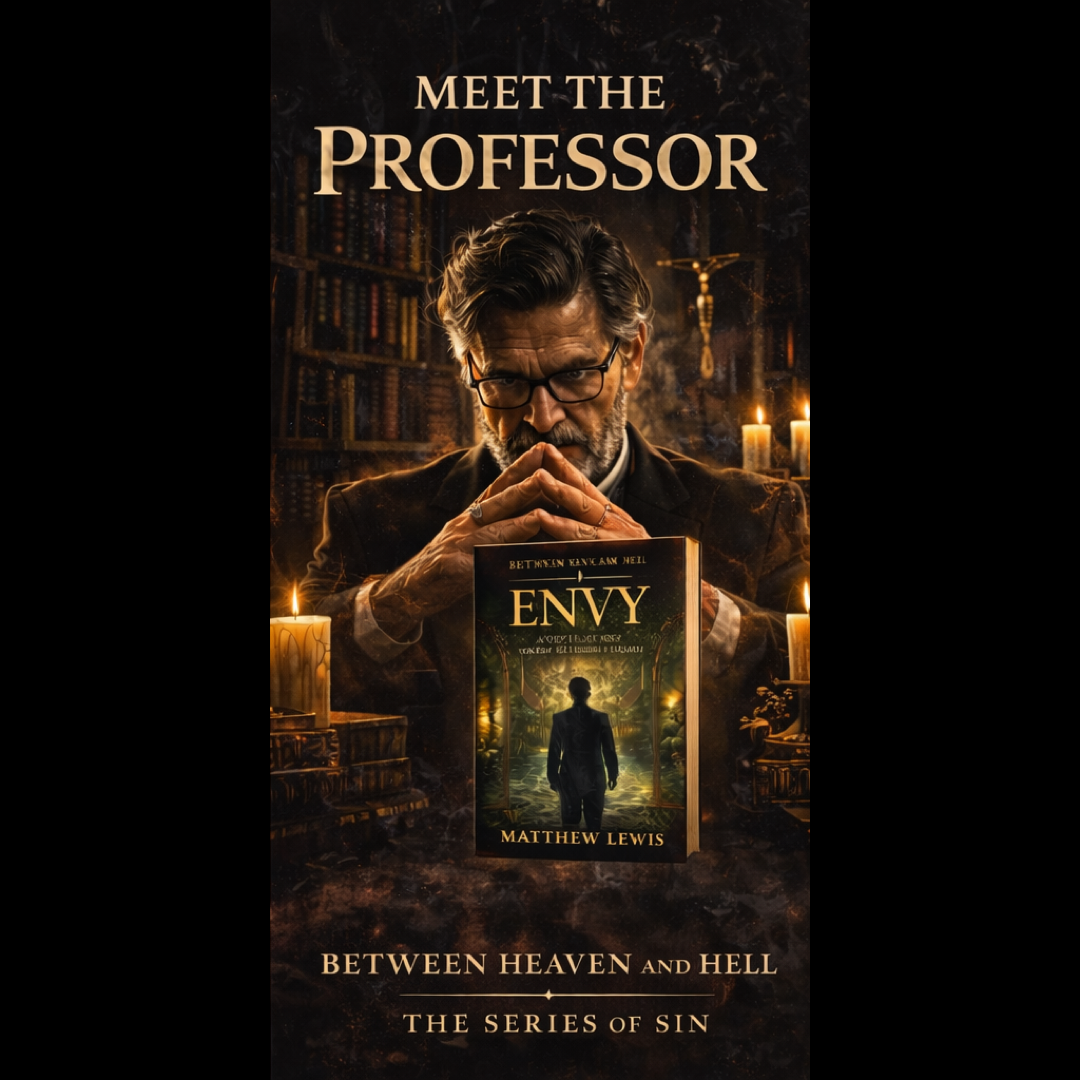
Fifty-five. Silver hair. Leather satchel. The most dangerous theologian alive. He doesn't kill for pleasure. He kills for precision.
Each book can be read as a standalone thriller. Together, they form a single argument about what happens when someone decides to hold the world accountable for its sins.

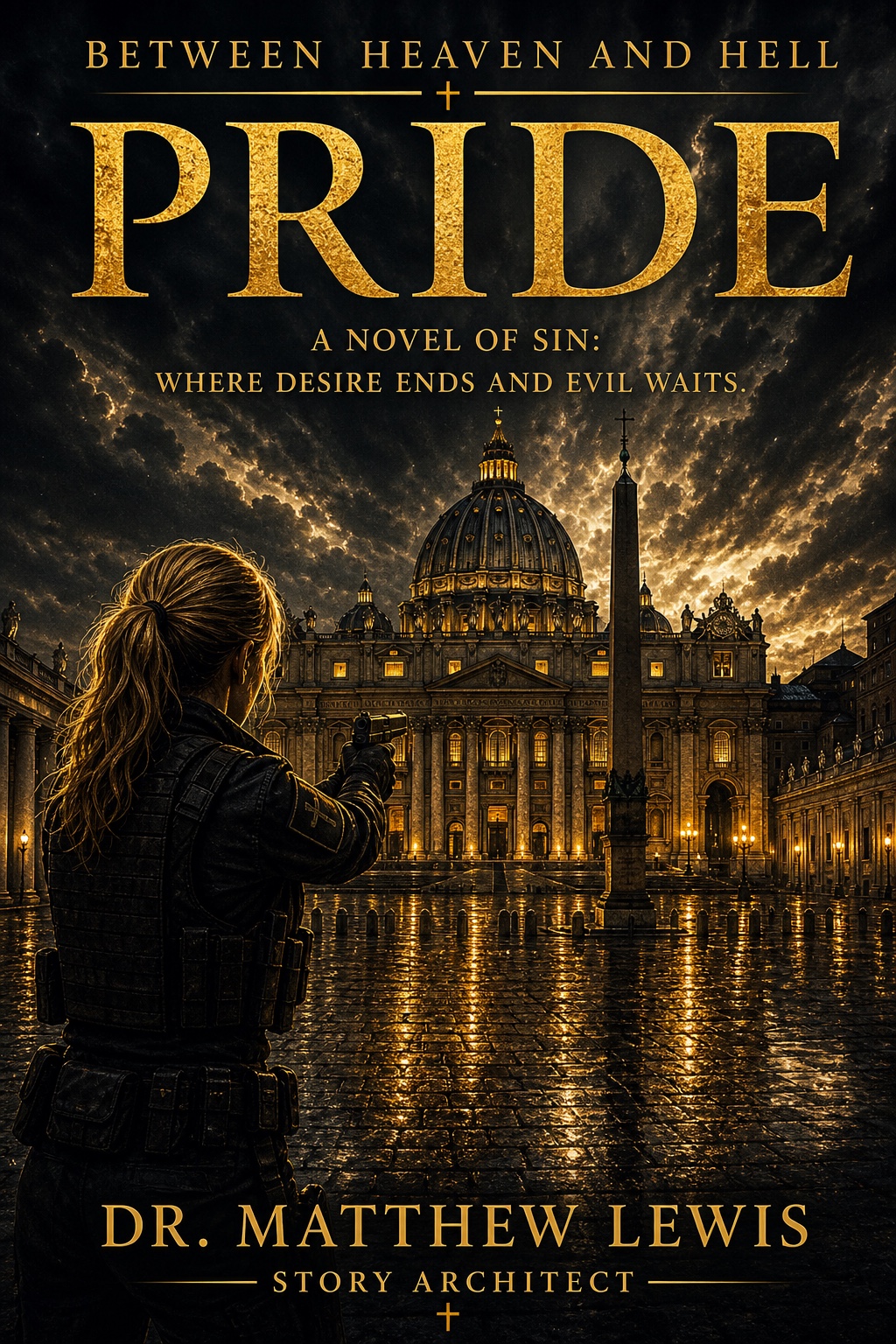
A Cardinal is found dead in the Borghese Gallery, arranged in the posture of absolute visibility. A parchment beside his hand reads: Superbia. Interpol Commissioner Sonya Logan arrives to find a crime scene staged as a theological argument.

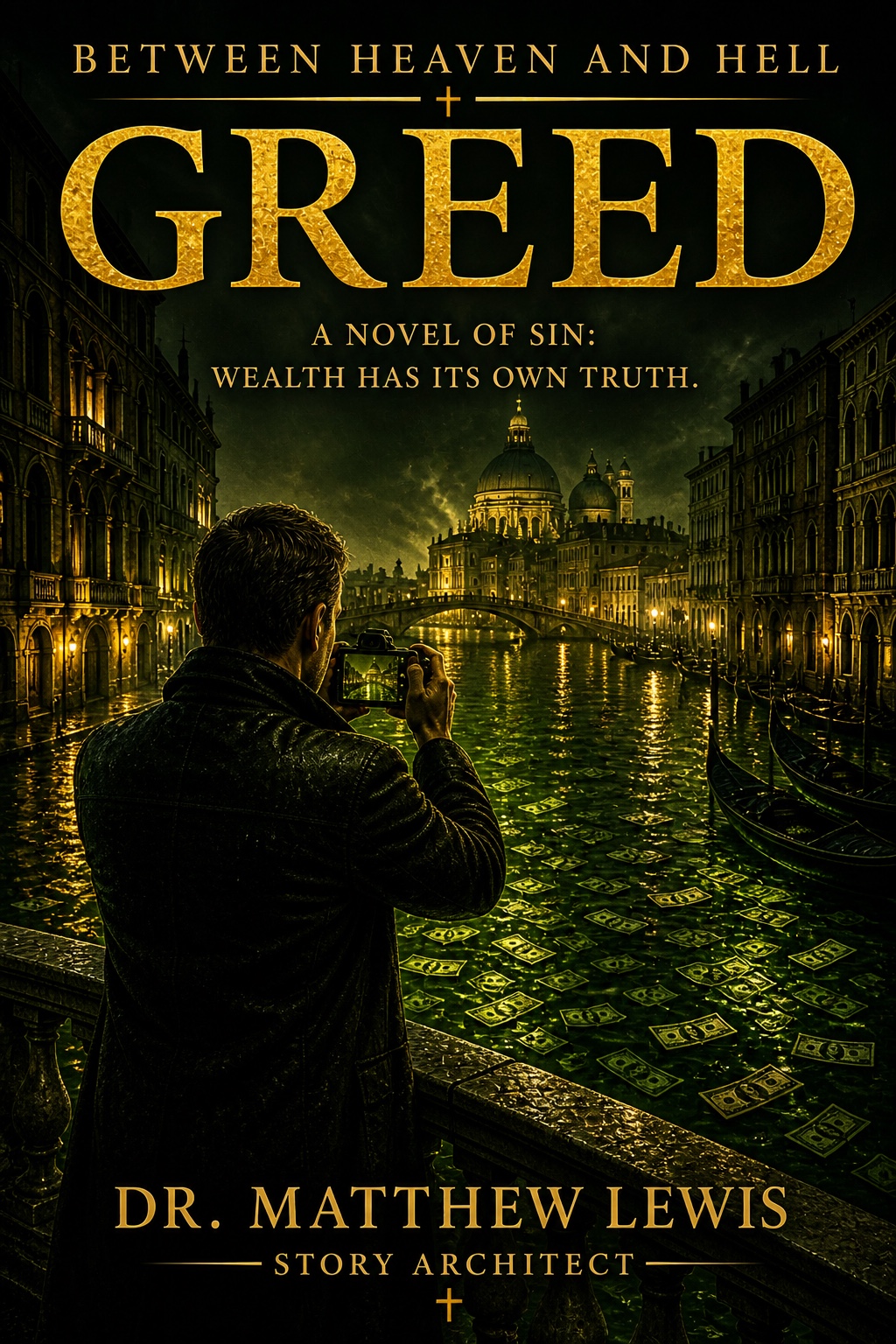
A Venetian art dealer is found face-down in a deconsecrated church, seven Byzantine coins around him. Mateo follows the curriculum from Venice to Florence to Paris, racing to reach the next victim before the Professor's lesson is complete.

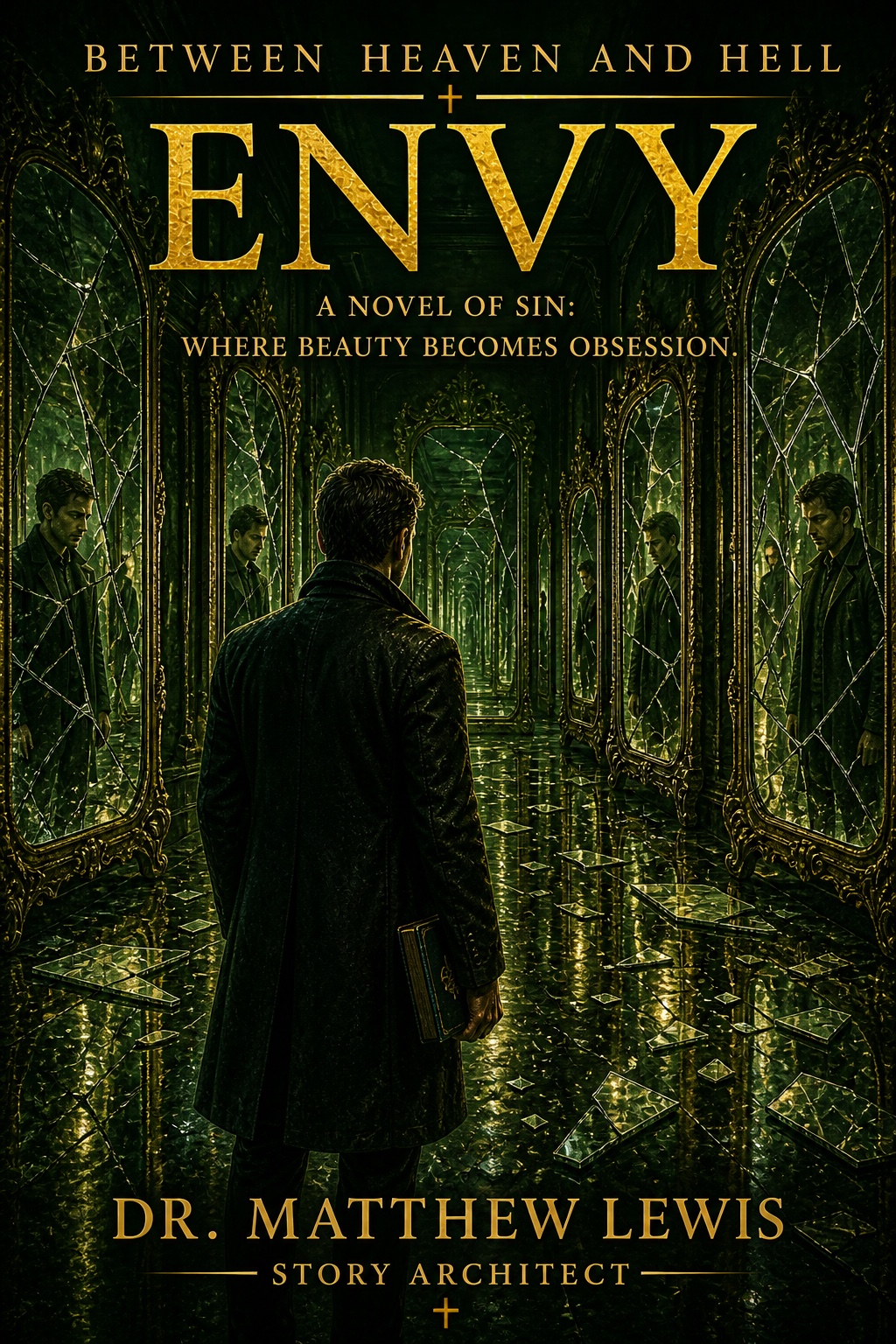
For the first time, the story is told from the Professor's perspective. Thirty-four years of studying sin. Eighteen months of studying one man. Two broken mirrors flanking a chair in the Uffizi's secondary corridor. The self in front of the thing it could not become.

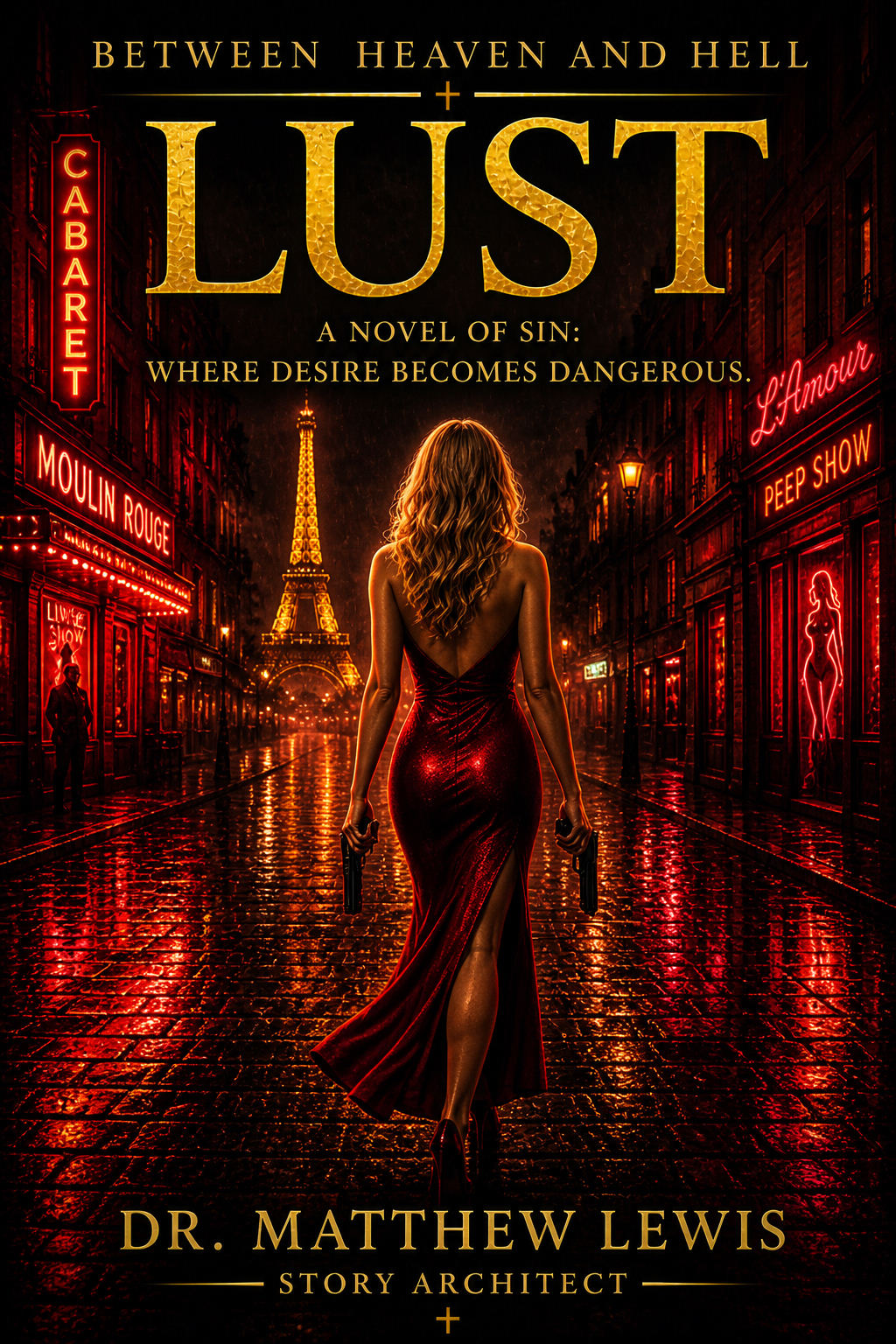
Sonya's book. The investigation reaches Paris, and with it, the unraveling of everything she has kept partitioned. The submissive voice she has been managing since Rome finally surfaces. The door stays open.

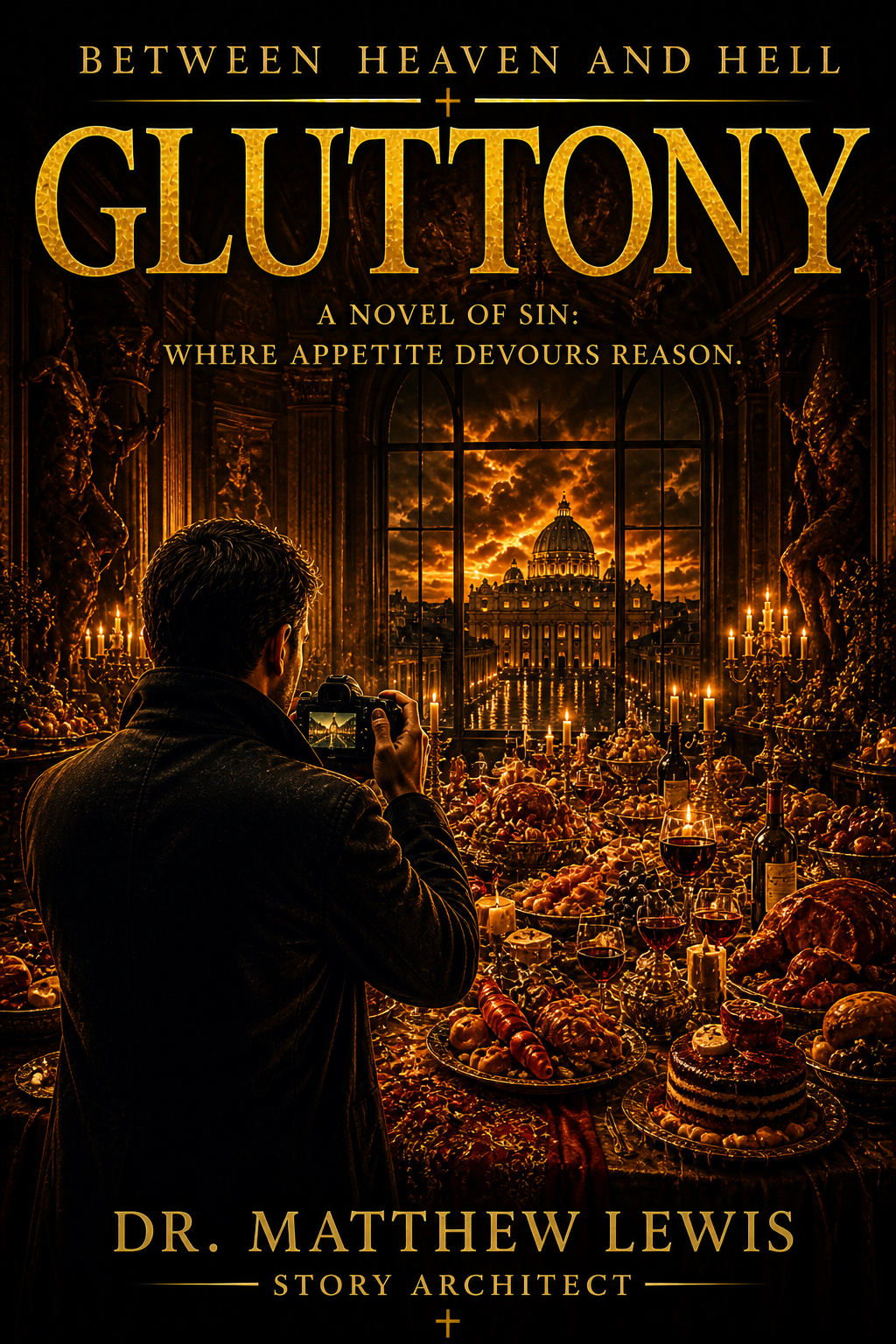
Mateo's formation arc peaks in the city of appetite. A restaurateur who built an empire on other people's harvests. The Sagrada Familia reaching toward what architecture cannot grasp. And a parchment annotated with one word: Sapiens.

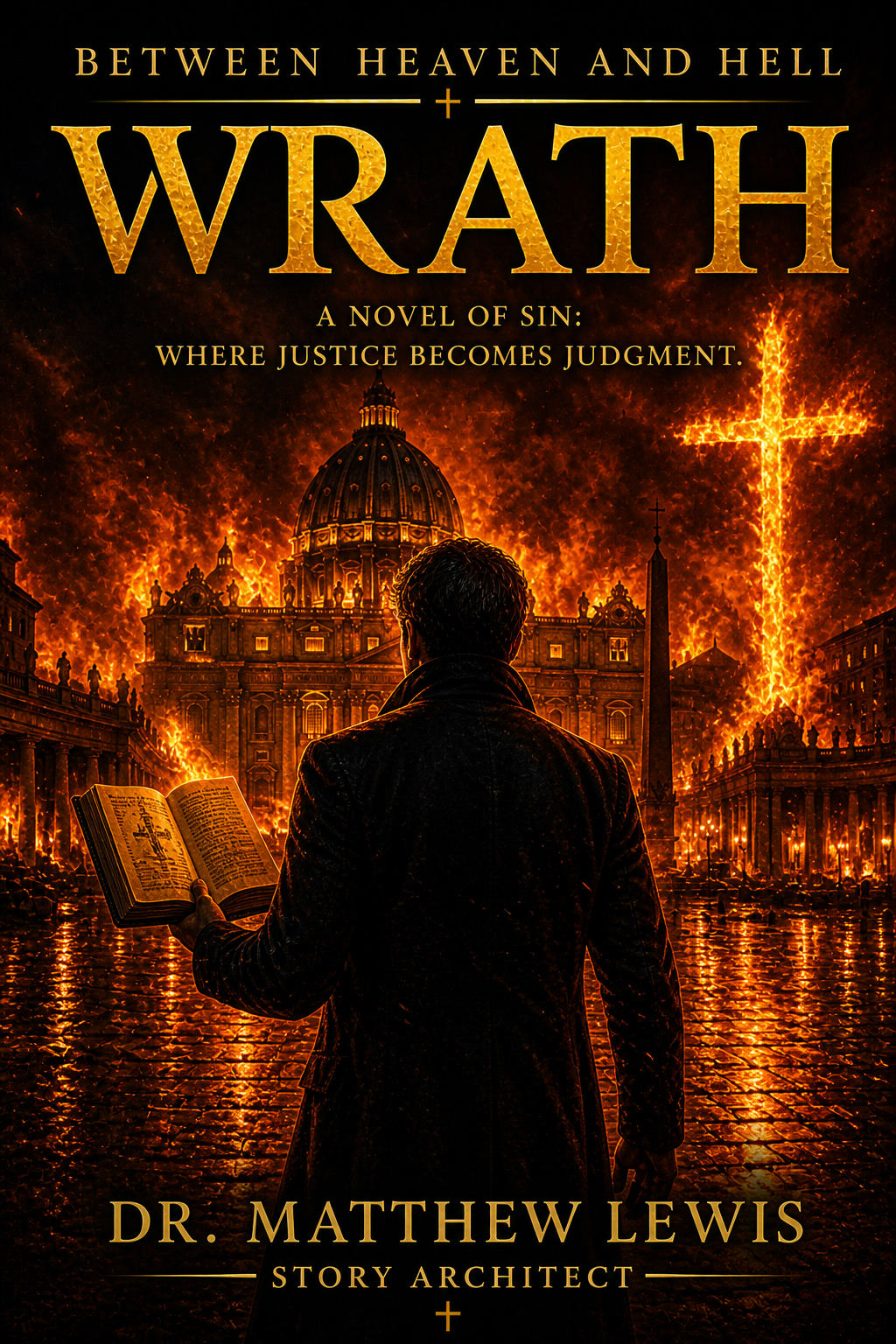
A man who spent twenty-two years as the Church's legal enforcer, unable to distinguish between institutional power and divine justice. The Professor's most personal lesson. The burning cross is not metaphor.

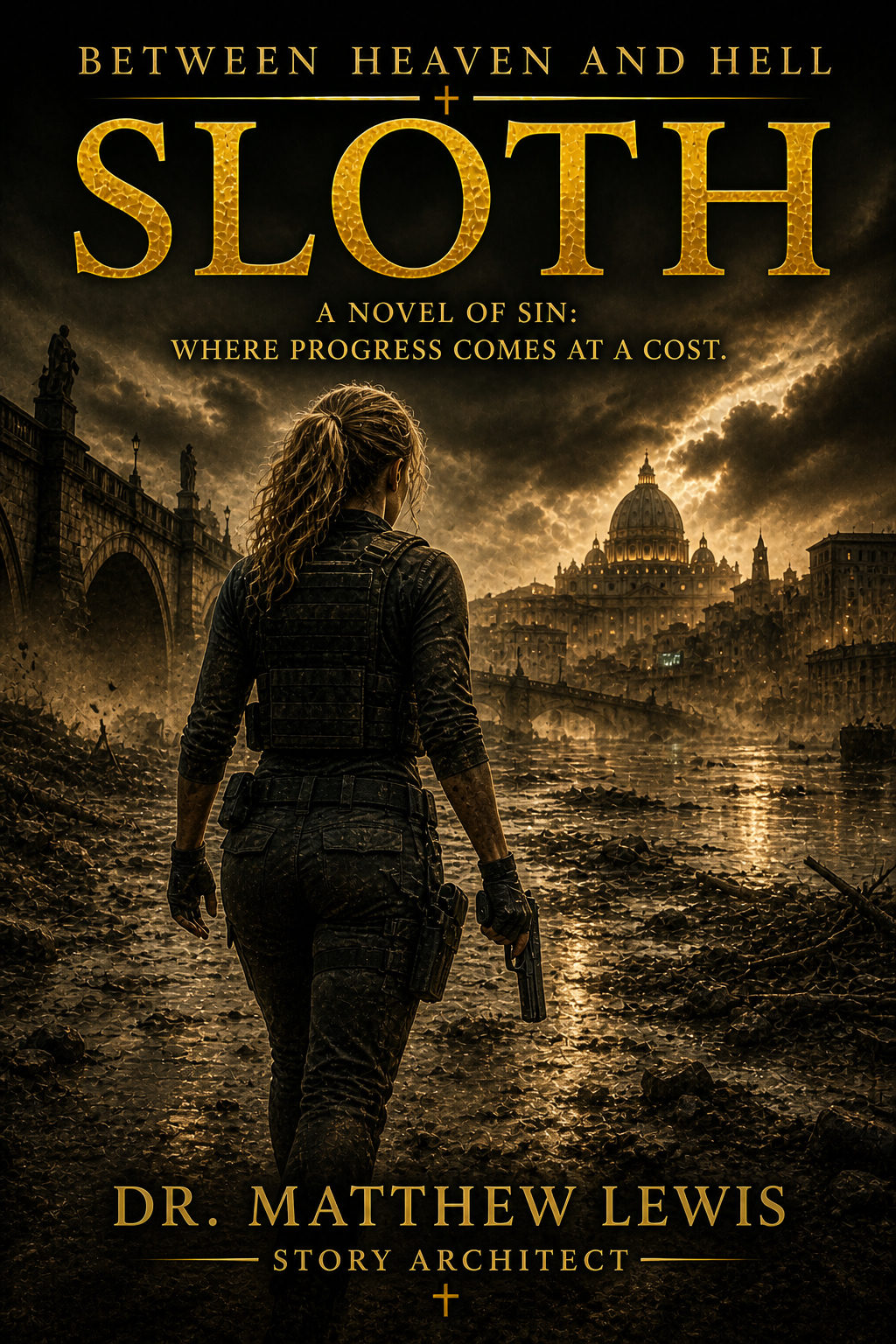
The seventh lesson. The sin that is not laziness but the refusal to become what you were made to be. Prague in winter. Sonya's submissive arc reaches its peak. The penultimate parchment. Edinburgh is next.

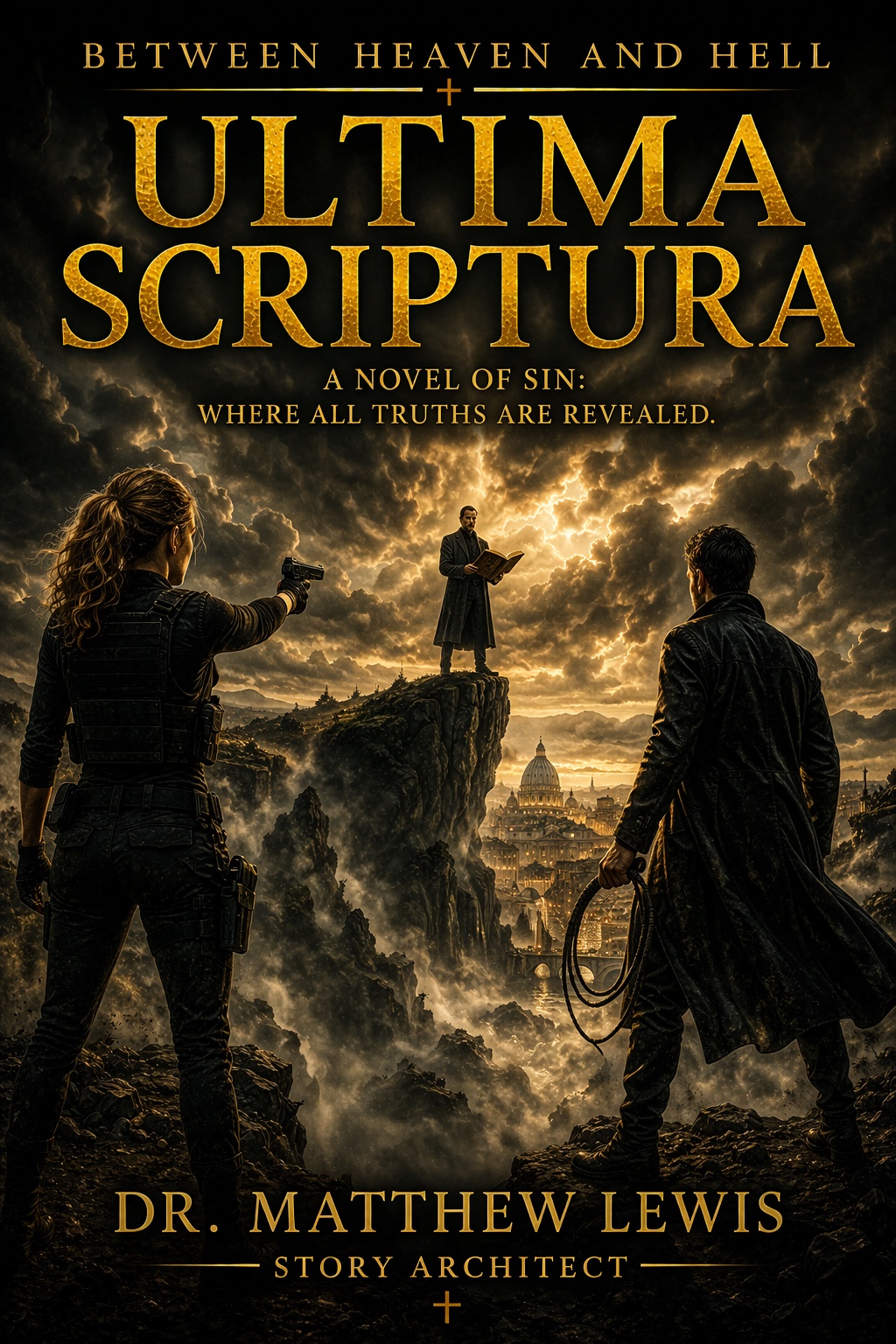
The final lesson. The city of the Reformation. The Professor invited Mateo to Edinburgh. Mateo accepted. All three arcs converge. The conversation that has been building across seven cities finally takes place in the room where it was always going to take place.
Seven parchments. Seven Latin words. One path across Europe that ends where the Reformation began.
Each book shifts perspective. The detective who hunts. The journalist who reads. The professor who teaches. The truth lives in the space between them.
Interpol Commissioner. Blonde. Precise. She reads crime scenes the way theologians read scripture — looking for what the text doesn't say. She feels the theology before she can name it. The Professor chose her as his audience.
Mateo Padilla. Ex-priest. Forty-two. Hispanic/Italian-American, born in San Antonio. He left the seminary after writing an article the institution couldn't forgive. He carries a leather satchel and a notebook and the specific patience of a man who has been honest about difficult things for a very long time.
Heinrich Paulus. Fifty-five. German. Silver hair. Thirty-four years of studying sin in the tradition. He does not kill for pleasure. He kills for diagnostic precision. His victims are chosen because they embody the specific sin with the accuracy his framework requires.
Three subjects. Three psychological evaluations. Select a character and ask them anything. Each answer builds their canon. What they reveal is yours to keep.
Before the first murder. Before the parchments. Before Rome. Mateo was a priest with a secret and a seminary that wasn't ready to hear it.
The night before Mateo left the Church, he sat in a chapel and told the truth for the first time. What he confessed changed everything. This is the story of how an ex-priest became the only person a serial killer trusted to read his work.
bhh-novels.vercel.app